What is a natural events action plan? A plain guide for air quality analysts
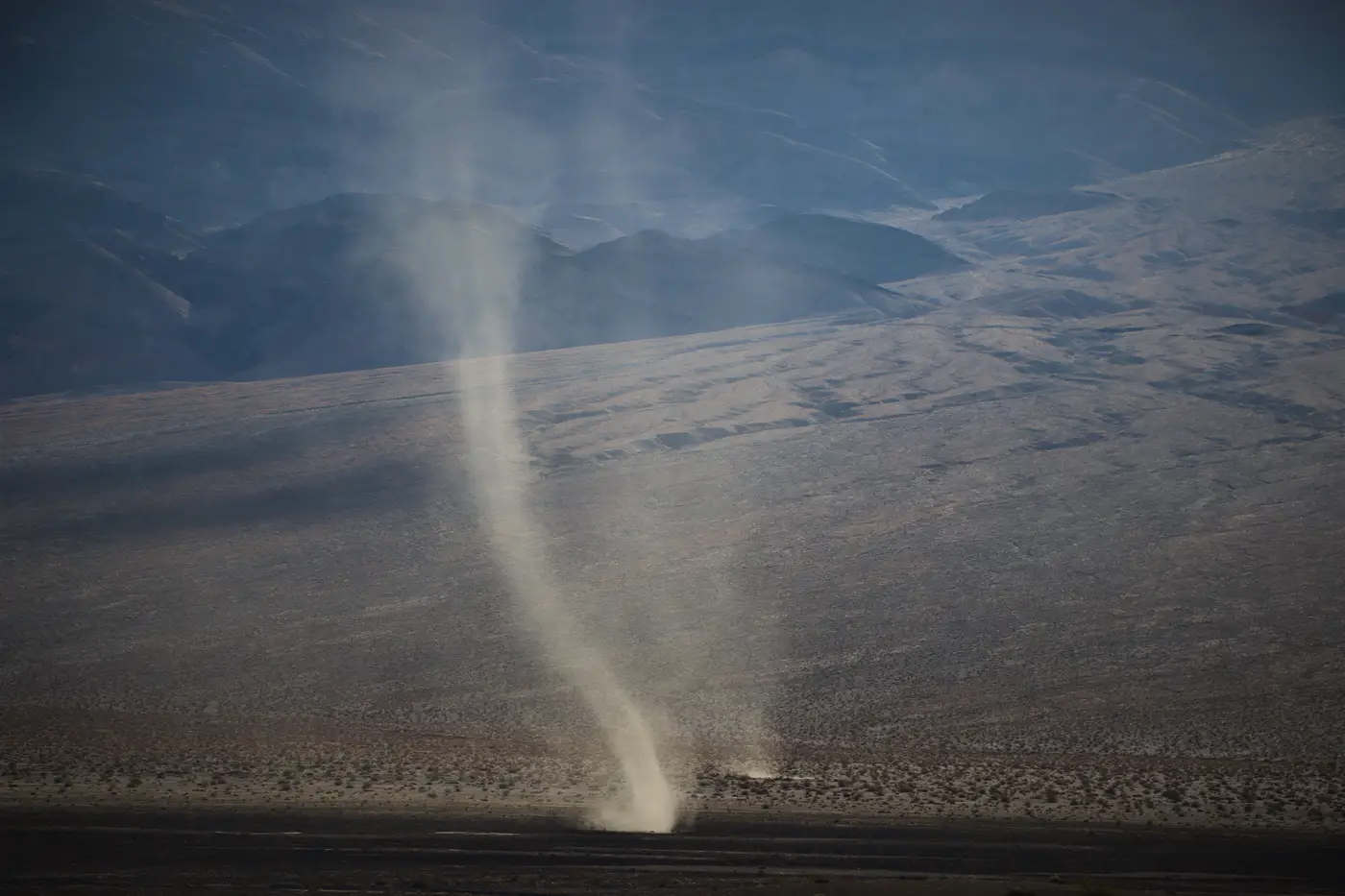
If you work in a region where high wind dust events keep putting PM10 over the NAAQS, you've probably heard the term NEAP tossed around in regional planning calls. A Natural Events Action Plan is a document a state or local agency develops, with EPA's blessing, for an area that is chronically affected by uncontrollable natural dust events. Once approved, it lets the agency use a shorter version of the Exceptional Events demonstration for future high wind dust exceedances in that area, instead of building a full case from scratch every time a monitor trips.
That shortcut is the whole point. Without a NEAP, every exceedance tied to a dust storm requires its own clear causal relationship demonstration: showing the event happened, showing it was natural and beyond your control, and showing it caused the specific monitor reading in question. With a NEAP on file, an agency that has already shown EPA it understands its local dust sources, its typical wind thresholds, and its mitigation efforts can point back to that plan and move faster on each new flag.
Where NEAPs sit inside the exceptional events rule
The Exceptional Events Rule itself, now at 40 CFR 50.14, is the mechanism that lets states ask EPA to exclude monitoring data from design value calculations when an event beyond reasonable control caused or contributed to an exceedance. Wildfire smoke, prescribed fire, stratospheric intrusion and high wind dust all fall under this umbrella, but high wind dust is the one with its own special track.
EPA created the NEAP pathway specifically because certain desert nonattainment and maintenance areas, parts of the Southwest in particular, see recurring high wind dust events that are genuinely natural and genuinely hard to stop. Rather than asking an agency to write a fresh 40-page demonstration for each storm, EPA lets an area that has an approved NEAP use abbreviated documentation for qualifying events going forward, as long as the agency keeps running its approved reasonable mitigation measures (dust control ordinances, BACM on unpaved surfaces, public alert systems, that kind of thing).
A NEAP submission typically covers the geographic area prone to these events, the meteorological conditions that trigger them (wind speed thresholds, direction, antecedent soil moisture), the natural and anthropogenic sources in play, the mitigation measures already in place or planned, and a monitoring and public notification strategy. EPA reviews it, works through comments with the agency, and either approves it or sends it back for more detail.
What trips people up on a dust exceedance claim
Proving a dust exceedance is harder than reading the rule. EPA wants to see that the event was regional in scale and that the dust plume tracked over the affected monitor, not just that wind speeds were high somewhere in the county. Agencies lean on satellite true-color imagery, back trajectory models, and nearby monitor data to build that picture, but fixed stations are often forty or fifty miles apart in these areas, and a dust front can form, move, and clear a monitor's footprint in a window no station ever samples directly.
That's the gap where a daily aerosol depth layer between your stations earns its keep: it can show a plume lifting off a dry lakebed or disturbed soil and moving across the area on the day in question, filling in the spatial story between the two or three monitors you have readings from. Air Quality Proxy delivers exactly that kind of daily raster, built to sit alongside your existing network rather than replace it, so when you're assembling the clear causal narrative for an exceptional events package you have something to show between the dots, not just at them.
A quick gut check before you start a NEAP
If your area has had one or two high wind dust exceedances, a case-by-case Exceptional Events demonstration is probably simpler than standing up a full NEAP. The plan is worth the lift when the events are recurring and predictable enough that EPA can reasonably expect you to keep documenting them the same way year after year. If you're not sure which bucket you're in, your EPA regional office exceptional events contact is the right first call, well before you start drafting.
Filling in what the satellite saw between your fixed stations on exceedance day is worth a look if you're building that evidence file.